Who built it?
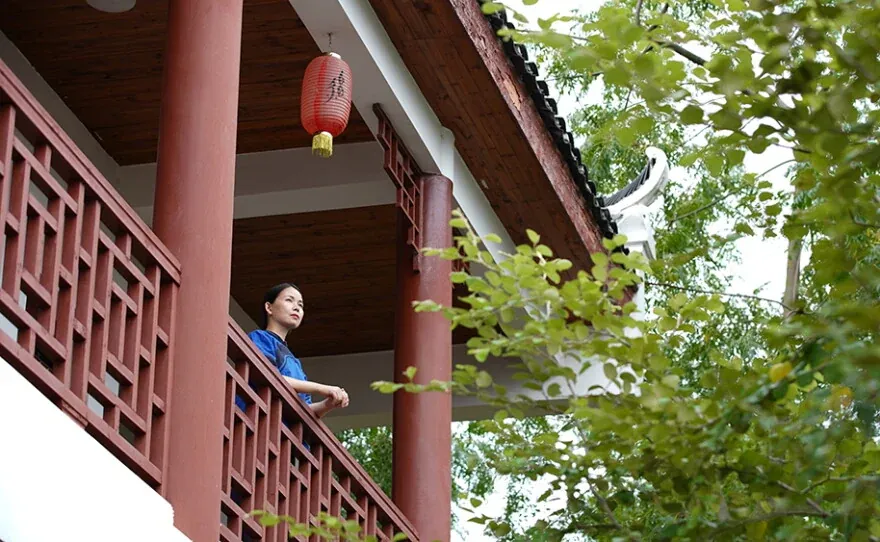
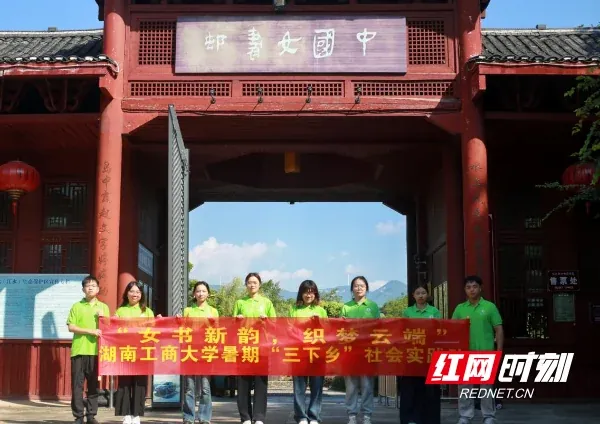
Jiangyong’s county Party committee and government funded Nüshu Garden in Pumei village, home of transmitter Gao Yinxian. It was completed in October 2002.
Read the sourceChoose Windows, macOS or Android. Download and open the installer. Use the pinyin tool, typing guide and word reference to get started.
Download package → open installer → activate input method
Select a word or phrase to see dictionary glyphs, hear Mandarin and read Jiangyong romanization.
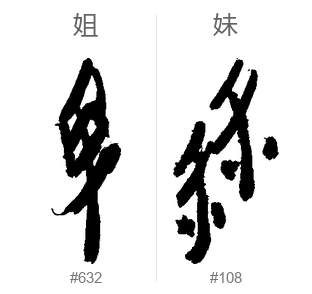
Sister
za35#632meng33#108Letters and numbers follow the source dictionary, not Mandarin pinyin. Match alternative readings to the glyph IDs in the image. Connected speech needs separate verification.
Dictionary reading source ↗Jiangyong recording pending
Character-by-character reference from the Dictionary of Nushu Standard Characters converter. This is a glyph reference, not a verified dialect translation. A human Jiangyong recording is pending.
View original sourceOpen word referenceThis is a growing collection. Learning topics are suggestions; missing Nüshu forms and recordings are clearly marked.
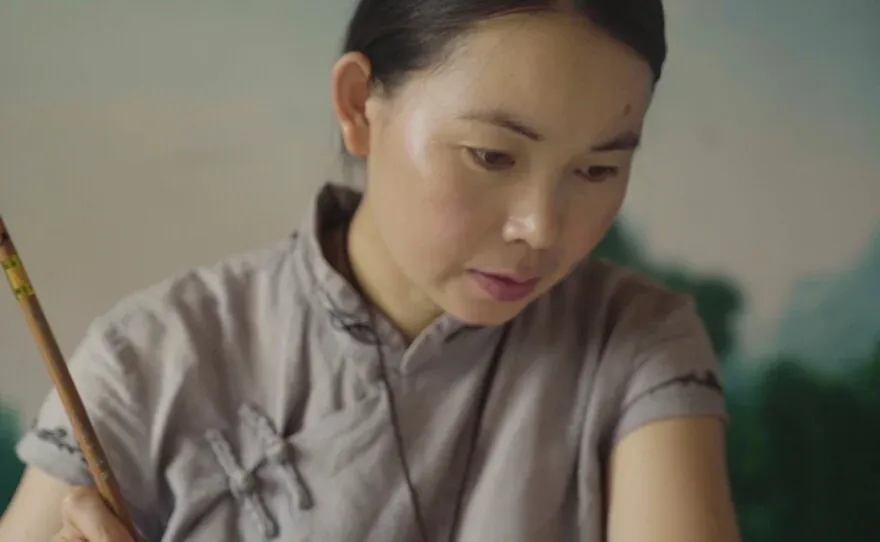
On Puwei Island, explore the writing, objects and everyday traditions of Nüshu. The museum’s Nüshu Garden connects exhibitions with teaching and living heritage.
Puwei Island, Shangjiangxu Town, Jiangyong, Yongzhou, Hunan
Map search:江永女书生态博物馆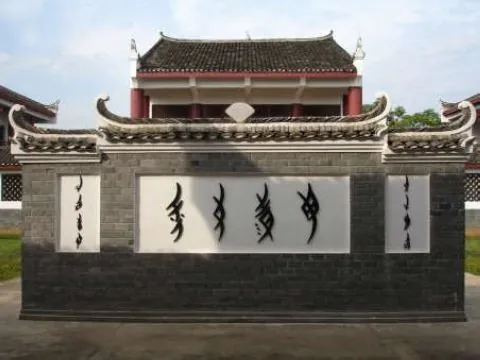
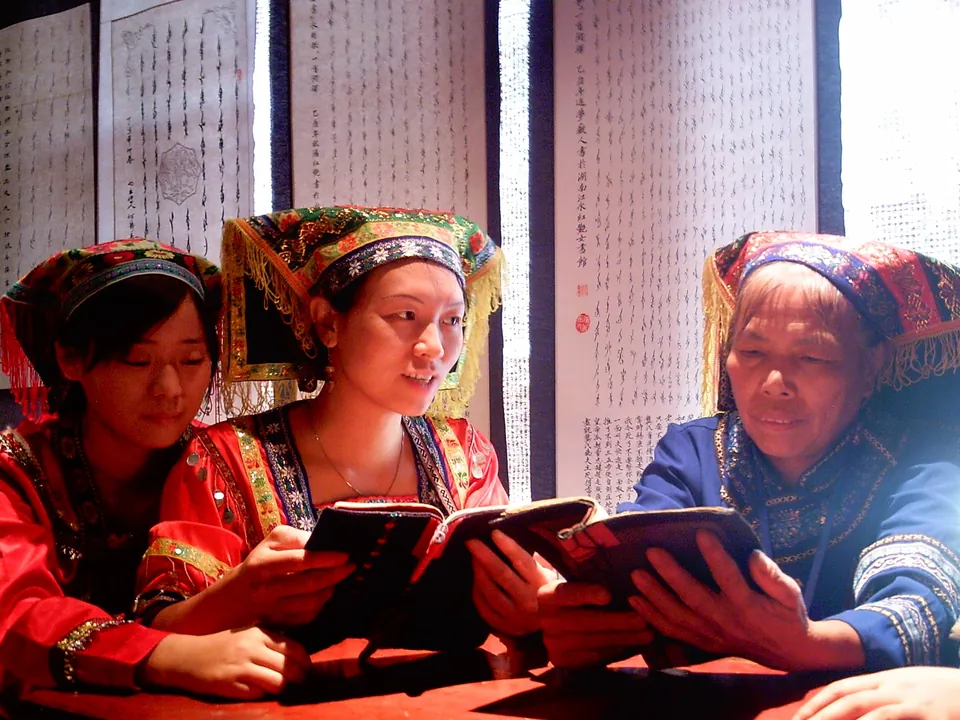
A place for preserving documents and passing on living traditions.
Jiangyong’s county Party committee and government funded Nüshu Garden in Pumei village, home of transmitter Gao Yinxian. It was completed in October 2002.
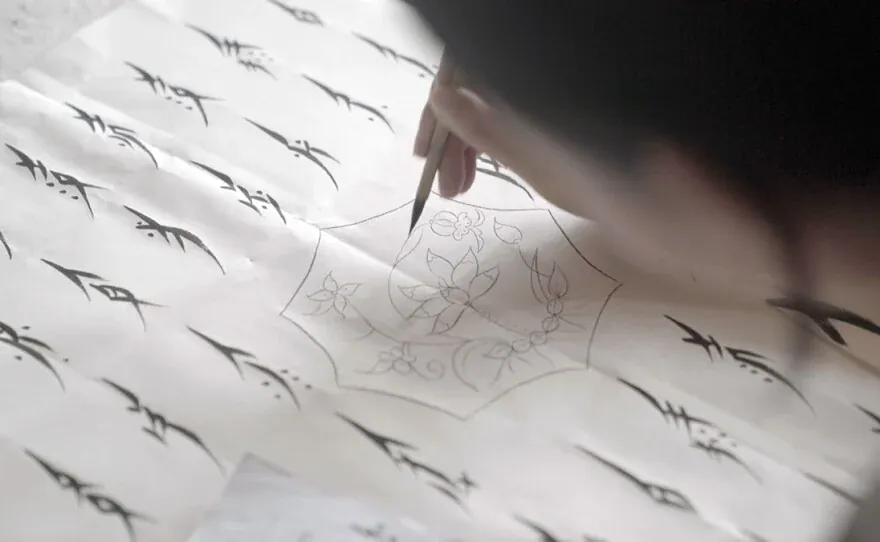
Read the sourceDocuments, calligraphy, crafts and audiovisual records show Nüshu alongside local customs, including sisterhood and bridal traditions.
Read the sourceRecent reports describe digital displays and hands-on teaching alongside original works and everyday objects.
Read the sourceSelected documented visits, with links to the original reports.
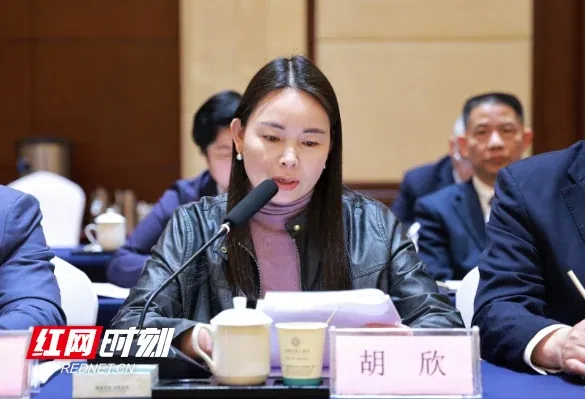
The Hong Kong cultural scholar visited the eco-museum and discussed cultural communication and tourism.
Read the sourceA team from the School of Journalism and Communication studied how Nüshu is transmitted and shared.
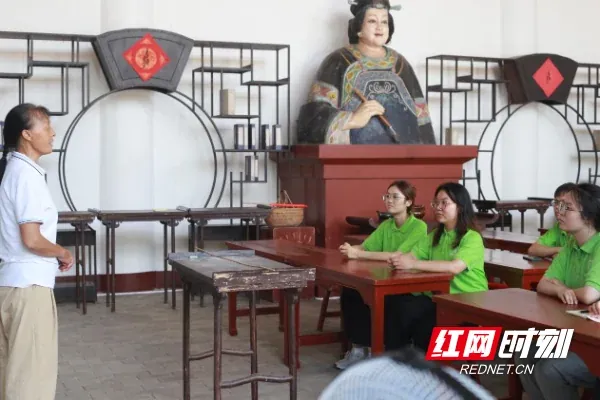
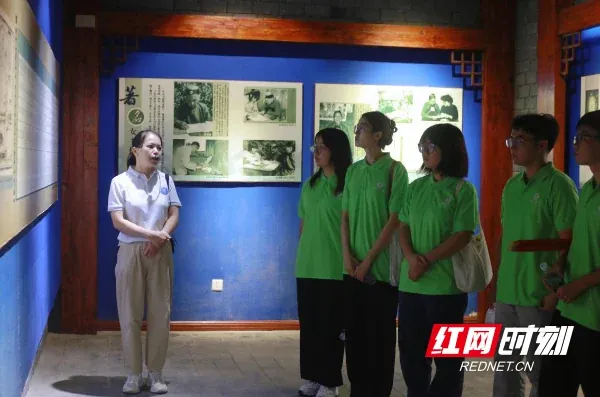
Read the sourceStudents visited the galleries and classroom, listened to Hu Yanyu’s singing and interviewed her about preservation.
Read the sourcePuwei Island, Shangjiangxu Town, Jiangyong, Yongzhou, Hunan. Search your map app for “江永女书生态博物馆”.
Read the sourceExamples from public reports, not a daily timetable. Ask about availability, booking and fees; arrange group visits ahead.
Learn a few characters and listen to Nüshu songs. The county’s visitor guide describes teaching with Nüshu practitioners.
Read the sourceHoliday activities included Nüshu sand art, lacquer-fan making and interactive challenges.
Read the sourceThe National Day report describes holographic displays, digital handwriting and craft experiences. Ask which projects are running during your visit.
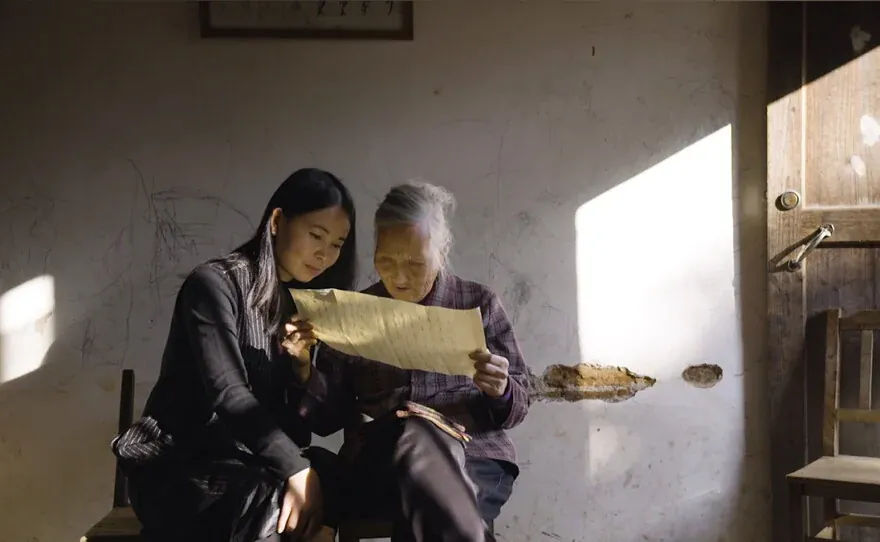
Read the sourceLetters, friendships and threads of memory. Meet the world that gave this writing its voice.
A museum guide brings writing and hands-on activities to new audiences.
Read the storySource · yzrdw.gov.cnGao Yinxian’s granddaughter continues a family tradition through teaching.
Read the storySource · yzcity.gov.cnA 2025 ethnographic book follows a practitioner’s life and the changes around her.
Read the storySource · ioe.sinica.edu.twExplore the scholarship that documents, questions and carries Nüshu forward.
Literature is being collected and updated.
Visit the reading room (13)Zhao Liming · 赵丽明 / 2005
A five-volume collection edited by Zhao Liming, published in 2005.
赵丽明编著。《中国女书合集》,五卷,2005。书目核验:東洋文庫馆藏目录。
View original source · toyo-bunko.orgFei-Wen Liu · 劉斐玟 / 2015
Fei-Wen Liu’s ethnographic study of Nüshu and women’s expression.
Fei-wen Liu. Oxford University Press, 2015. ISBN 9780190210403.
View original source · academic.oup.comIvory Yang · Weicheng Ma · Soroush Vosoughi / 2025
A computational study of low-resource Nüshu data. Its published title is retained; this site describes Nüshu as a script.
Ivory Yang, Weicheng Ma, Soroush Vosoughi. COLING 2025, 7020–7034. Association for Computational Linguistics.
View original source · aclanthology.orgWilt L. Idema · 艾德玛 / 2009
English translations of narrative ballads recorded in Nüshu.
Wilt L. Idema (trans.). University of Washington Press, 2009. ISBN 9780295988412.
View original source · uwapress.uw.edu